Archive for the ‘Dental & Medical Aesthetics’ Category

Healthy diet…healthy teeth?

Thursday, June 17th, 2010

Sugary foods and drinks in our modern diet combine with plaque (the sticky film on our teeth) to produce harmful acids which cause cavities in our teeth which can lead to fillings or even extractions. Therefore it is best to keep these types of foods to main meal times. Many processed foods contain hidden sugars like sucrose and fructose. Remember the higher in the list of ingredients sugar appears the bigger the amount put in.

Often no added sugar means none has been added on top but there may be sugar already in the product possibly listed under carbohydrates. 

Acidic foods can also dissolve the enamel (the hard outer surface of the tooth) which can expose the dentine (inner layer of the tooth) leading to sensitivity and discoloration of teeth. Lower pH value drinks can also cause decay. Any drinks with a pH lower than 5.5 can cause enamel to dissolve. Anything with a pH higher can neutralise acids. Examples of low pH drinks include red wine 2.5, cola 2.5, and orange juice 3.8. Examples of higher pH drinks are milk 6.9 and water 7.6.

Gum disease can be prevented by eating lots of fresh fruit and vegetables and food with minerals and vitamins like meat, fish, milk and dairy products, bread and pasta and potatoes.

What about snacks you might ask? It is better to eat 3 meals per day instead several snacks. However if you do need to snack between meals choose foods like seeds, nuts, cheese and raw vegetables and breadsticks.

It is important to brush your teeth for at least 2 minutes twice a day before breakfast and last thing at night. If you want to brush between meals then make sure it is done at least one hour after a meal. Eating and drinking already causes enamel to soften so brushing straight after a meal can damage teeth. Chewing sugar free gum may be a better option because it can stimulate saliva which neutralises acid and has a proven record of preventing decay.

It is important to remember that it is not the amount of sugar you eat but the frequency. Remember sugary foods can also lead to other health problems like obesity, diabetes and heart disease.

If you unsure about what is good or bad for your teeth and want to know how to look after them for life why don’t you give us a ring on 01684 295900 or pop in and see us at Tewkesbury Dental.

Grinding your teeth giving you a pain in the neck?

Sunday, April 11th, 2010

Around 30% of us grind our teeth at night. The dental  term for it is Bruxism. This can unknowingly be the cause of headaches and tension in the neck and shoulders. Common signs are worn or chipped teeth.

Grinding and clenching can also cause damage to your smile by affecting your veneers, crowns , Implants and increased wear of fillings that have already been fitted by your dentist.

Dentists like myself can spot if you are grinding your teeth. Sometimes the symptoms of it can go untreated for months possibly years. These can manifest by having headaches or jaw ache or neck pain especially in the morning. Jaw muscles can ache and jaw joints can click on opening or closing. Chewing may also be uncomfortable. Other tell tales signs are biting the inside of your cheeks or tongue regularly.

It can be treated at my clinic by the construction of soft plastic mouth guard that is made to measure and should be worn at night or whenever the need arises even during the day for a few hours at a time to train the muscles not to bite so hard.

It is best to stay ‘destressed’ as much as possible. Reduce your caffeine load especially in the evenings and before bed, relax with nice pleasant thoughts and unwind gradually before falling asleep leaving the tensions of the day behind you till the next day at the very least.

If you or anyone you know are or have been getting the symptoms that I described above why don’t you come in and see us?  After all you got nothing to lose and will probably gain a more restful sleep in return. Call us today at Tewkesbury Dental on 01684 295900. We’ll be glad to help you.   

Can Botox® reduce the signs of aging?

Tuesday, February 16th, 2010


‘Wrinkles should merely indicate where smiles have been’ Mark Twain 1897.


The use of Botox® is increasingly being used by doctors, dentists and nurses as a very popular beauty procedure to provide and maintain a more youthful appearance.


It can produce a non surgical face lift without actually ‘going under the knife’, thus it can reduce the signs of aging without the time, worry or expense of surgery. It can be used to Lift Brows, reduce Crows feet and relax Lip Lines and reduce excessive frown and forehead worry lines and improve the ‘turkey neck’.


It is one of the most researched and safest procedures and was originally used by the medical profession to treat certain facial disorders such as ‘cross eyes’ or uncontrolled blinking. 


It can now also be used for the treatment of excessive underarm sweating, headaches and pain management.


The preventative effect of the Botox® injections is also now very much appreciated. It really can improve a person’s quality of life. It has also been described as the ‘Penicillin for self esteem’. It was noted in use on identical twins that one that did not have the treatment appeared to have aged more than the other.


The fact is that people are now working until they are much older and they want to look fresher and not tired and groggy and  this procedure can provide this.


It has been quoted that before the age of forty you have the face that God gave you, after 40 you have the face you made yourself and now with Botox® you can maintain that face the way you have always wanted to.

Brighter Smiles!

Friday, January 15th, 2010

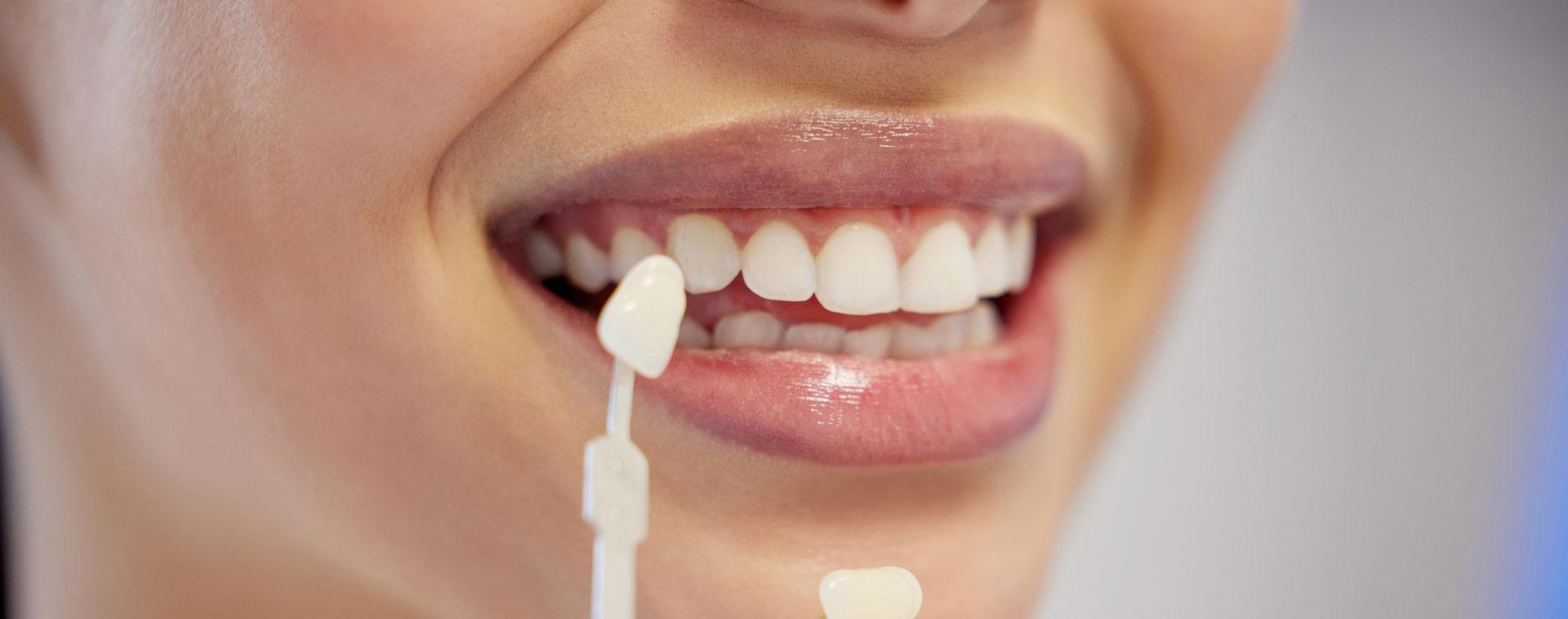
Tooth whitening is a procedure to carry out the cosmetic bleaching of teeth.


Two main products are used; either carbamide peroxide or hydrogen peroxide at different strengths. They can be applied to the teeth in the dentists’ treatment room (also known as power whitening) or at home by applying the product in gel form in a special mouthguard; either during the day or at night.


There are many reasons why teeth should discolour including staining from tea, coffee, red wine, coloured foods like liquorice, curries and of course through smoking.


The tooth whitening procedure can be suitable for most people but it will not affect or change the colour of existing fillings, crows or dentures. Some discoloration cannot be treated and some will take longer to treat. A dentist can advise at the first consultation. It is advisable not to have it done during pregnancy, breast feeding or if you are allergic to any of the products. The only side effect is mild sensitivity which ceases after the procedure is stopped.

Whitening toothpastes can also help removing food stains but do not affect the natural colour of teeth. They can be helpful to maintain the brightness of whitened teeth.


The results of professional whitening can be immediately apparent especially with power whitening but need to be supplemented with the home (tray) whitening.

They can last for up to 3 years. The results can be affected by diet and habits.


Tooth whitening should only be carried out by and under supervision of a dentist. You should be properly assessed beforehand. Over the counter products may damage your teeth. Please always check with your dentist first.


To maintain your brightened smile it is advisable to use whitening toothpastes, an electric toothbrush and regularly visit your dentist for check-ups to ensure healthy teeth and gums.

Skin Matters…

Tuesday, November 10th, 2009

Our skin is our beauty asset. It is the largest organ of the human body, it breathes and it also protects us.
It has a unique capacity to regenerate often without us paying much attention. However because it is a living organ it needs protecting and caring with daily purifying, moisturizing, and nourishing.
With age the skin loses its ability to regenerate, its elasticity and suppleness.

The skin does not like the following: smoking because this dries out the skin speeding up the aging process. Stress from life matters causes dry skin to become drier and some skin to become greasier. Heat and exposure to the sun raises the cell temperature which can lead skin cell malfunction and death. Alcohol and stimulants like tea and coffee should really be only drunk in moderation. Abrasive soaps and gels should be used sparingly because they can damage skin structure. Free radicals kill our cells and are produced by our body and UV rays, chemicals, x-rays, smoke and air pollution. Excessive sunbathing and the sun rays contribute to premature aging. The skin hates an unhealthy lifestyle including a poor diet.

However the skin absolutely loves being well rested. Sleep is essential for good skin. Try not to have a big dinner and drink relaxing herbal tea before retiring. Clean your skin carefully morning and night with mild cleanser. Always moisturize to hydrate it and protect it from the sun, temperature changes and time. It is true we are what we eat. Try to eat a well balanced diet and drink plenty of water throughout the day to help eliminate toxins from our body. Set aside time during the day to look after your skin.

Don’t forget looking on the brighter side of life will help you look your best. Put the little ups and downs of life into the proper perspective. It will be essential for your well being and those around you.

How kissable are you?

Sunday, September 13th, 2009


Unfortunately bad breath (halitosis) can be a common problem at any stage of a person’s life. It obviously presents as an embarrassing problem for the individual concerned as well as for the people around them. It may be due to poor gum health therefore it is important to make sure that a high standard of mouth cleanliness is achieved everyday to keep bad odours at bay and of course seek advice as soon as possible from your dentist.

How do you know you have bad breath? You may notice people may step away from you when you start to talk or you notice staleness associated with your mouth. Sometimes a husband/wife, girlfriend/boyfriend may drop hints. You can test yourself if you lick the unperfumed part of your wrist and if the odour from it smells bad then you may have it.

Your dentist can examine your mouth and identify plaque trap areas or tooth decay and treat the problem areas as well as advise on oral hygiene.

Always drink plenty of water throughout the day and eat fresh fruit and vegetables, brush your teeth and gums twice a day with a good fluoride antiplaque toothpaste and floss at least once a day and don’t forget to clean your tongue. You can also use a mouthwash, spray (when you’re away from your bathroom) or sugar free chewing gum or sugar free mints. If you are a denture wearer take them out at night giving your mouth a rest. Clean your denture with a denture cream and soak in cold water with a denture cleaning tablet. Always may sure you clean the areas where your denture sits.  

Your dentist can advise on specialist toothpastes, mouthwashes and sprays which deal effectively with Volatile Sulphur Compounds (VSC) which cause some bad breaths. These compounds are released from bacterial and human cell and food debris breakdown.

Of course there are other causes of bad breath some of which are due to dry mouth caused by some medicines, salivary gland problems or simply continual open mouth breathing. Your dentist can offer advice and solutions.

Medical problems associated with the nose and sinuses, chest, liver, kidney and endocrine e.g. Diabetes can also lead to a bad breath.

One of the biggest causes of bad breath is smoking. As well as causing bad breath smoking causes gum problems and early tooth loss, stained teeth and is the main cause of heart disease, lung and mouth cancer. So the best thing is to quit!  

Always maintain regular visits to the dentist so problems can be spotted and treatment or advice can be started early. Remember most bad breath problems can be satisfactorily treated and overcome.    

Keep flossing…

Tuesday, July 28th, 2009

A healthy smile is an important asset therefore it is vital to look after it. Flossing is an important aid to keeping the gaps between your teeth clean. It helps remove plaque and food debris that your toothbrush cannot reach.

Hold about 18 inches of floss between your forefinger and thumb. Hold it tight and pass it between your teeth taking care not to jerk it into the gap thus injuring the gum. Scrape the tooth surfaces with an up and down motion. Floss systematically to avoid missing any areas. Don’t forget to clean around crowns, bridges and implants. You made need ‘ Superfloss’. Your dentist or hygienist can show you how to use it properly.

At first your gums might bleed whilst flossing but this should disappear as the plaque and bacteria are reduced with regular flossing. If not you may be flossing incorrectly or you need a more thorough clean by a dentist or hygienist.

If you have difficulty using floss you can use a floss holder or any the other interdental cleaning aids e.g. small bottle brushes specially designed to go through the gaps between your teeth.

Remember for best results try to floss at least once a day.

Pit & Fissure Sealants

Tuesday, July 28th, 2009

Sealants are a risk free and pain free way of safeguarding your kids teeth from decay.

These are normally placed on the biting areas of back teeth and act as a shield on them akin to a frozen puddle stopping any food debris and plaque bacteria from sitting in the grooves and crevices causing tooth decay.

They are done on the premolars and molar teeth depending on whether the teeth are deemed to be at risk from decay especially if the naturally occurring pits and grooves are deep. Shallow groves that can be cleaned with the aid of a tooth brush are not always sealed. I can usually advise. They are usually applied to teeth that have recently fully erupted either at 6 or 7 years old or between 11 and 14 years. The procedure is quite simple and straight forward and can be done without the aid of an anaesthetic injection. The surface of the tooth is cleaned out following which a special solution is applied to the surface of the tooth. This is then ‘cured’ or hardened by the use of a ‘blue’ light for a few seconds. 

The treated teeth will probably feel a bit smoother afterwards but there should be no discomfort.

They can last for several years and will need to checked by your dentist to make sure they are providing a good seal if not they can be replaced or added to as needed.The treated teeth still should and need to be cleaned but they may feel smoother allowing the toothbrush to clean them well.

Sealants may mean that your children will end up with fewer larger fillings later on. Please ask us at your next check up for this easy and pain free way of helping to protect your children’s teeth.

Teeth under attack

Tuesday, July 28th, 2009

Tooth decay occurs when plaque bacteria react with sugars in our diet to produce acids which dissolves tooth enamel.  If this happens continuously, a hole appears in the tooth called a cavity.

Teeth can be under attack every time you eat something sugary for up to an hour afterwards, therefore try to eat sugary foods only at meal times and between meals only eat foods that do not contain sugar.  Cheese, fruit and vegetables are ideal.

Plain water or milk is ideal as a drink as fizzy drinks can dissolve tooth enamel or the sugar in them can cause decay. Sugar free squashes are less damaging to teeth especially if well diluted if water seems tasteless. You can neutralize acids on your teeth by eating something alkaline like cheese afterwards.

Brushing with a fluoride containing toothpaste is best done twice a day before breakfast and just before you go to bed. It is not a good idea to brush just after a meal as enamel is at its weakest and the surface of it can be easily damaged.

Remember many processed foods contain high levels of sugar. Get used to reading labels on foods and drinks; the higher up it is mentioned in a list of ingredients the bigger the amount of sugar it contains. Also remember no added sugar means none has been added but still may contain sugars already in the food in the form of carbohydrates.

Chewing sugar free gum after meals will stimulate saliva which neutralizes acids produced by plaque.

Finally remember it is not the amount of sugar you eat it is how often you eat it in between main meals that is important.

Don’t forget sugary foods not only affect the health of your teeth. Too much sugar can cause heart problems and cause you to become overweight.